
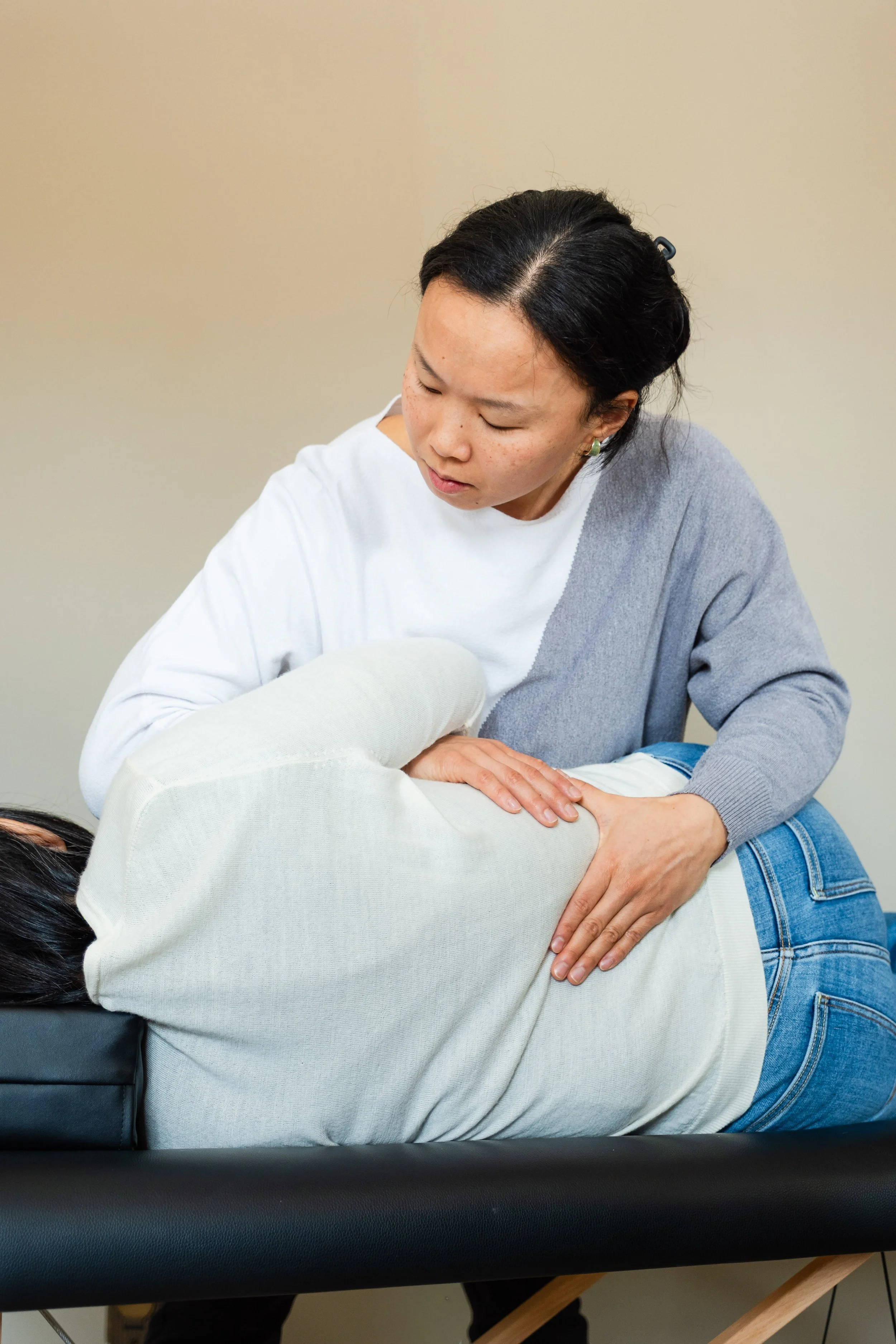
Osteopathic Manual Treatment
for people with
chronic pain, overuse injuries, or just everyday little aches and stiffness
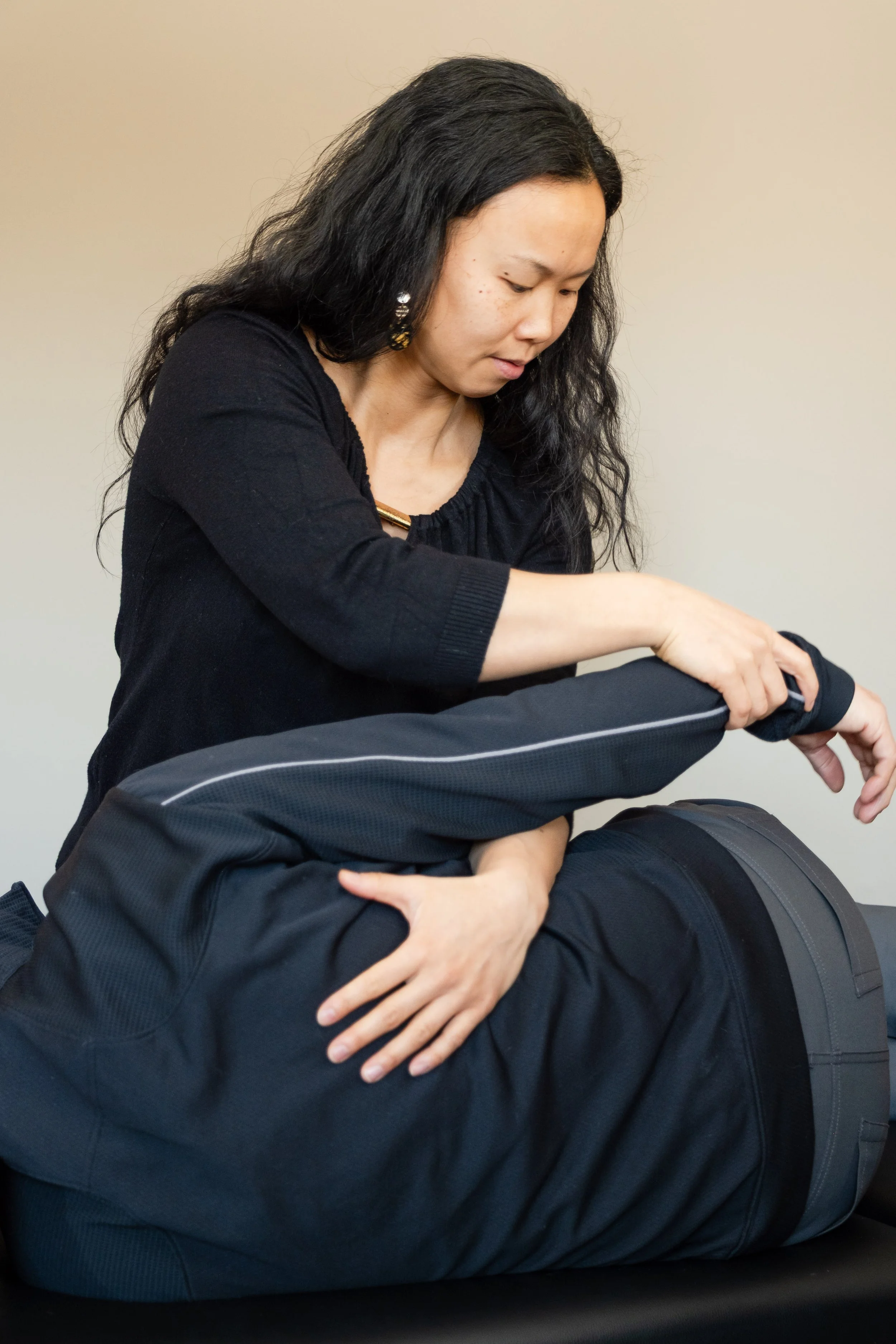
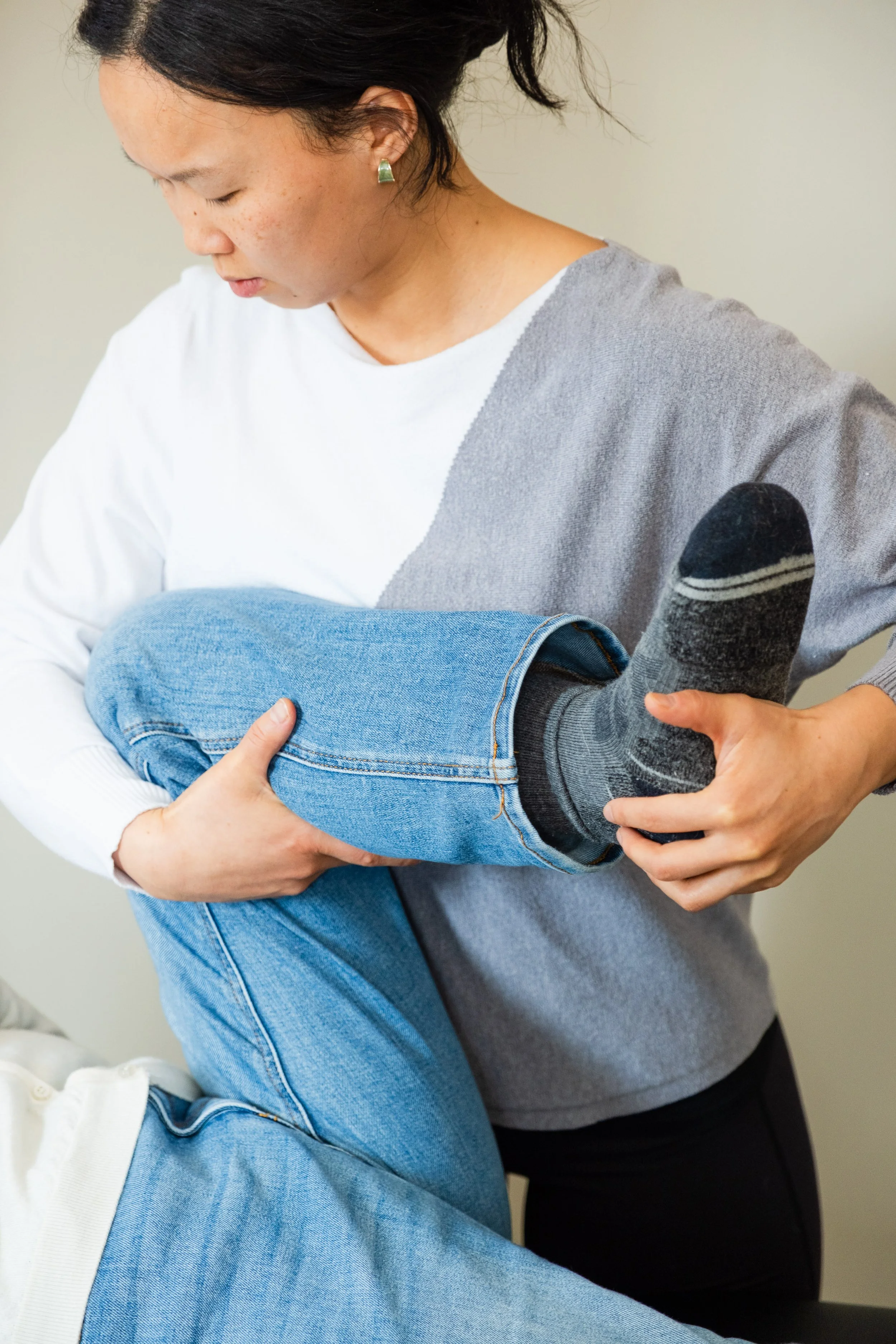
Gently address the root cause of your discomfort (without cracking!), support your body's natural healing ability, restore energy, and move freely again
Has a silent pain taken over how you relate to your body?
Every patient has their own story, their own unique journey that first brought them to our treatment table…
Some come in with chronic injuries, nagging neck/back pain, restricted range of motion... or simply with a desire to reconnect with a body that feels distant. If you've been carrying something similar—whether for days, weeks, or years—we'd love to help make your body feel like home again.
A home where pain isn't allowed to settle in anymore, leaving plenty of room for what matters: getting back on the field, hiking the trails you love, wrestling the kids before bed, and much more.
What Our Patients Are Saying
NDG / Montreal
▿
4260 Av. Girouard
▿
NDG / Montreal ▿ 4260 Av. Girouard ▿
Our Practitioners
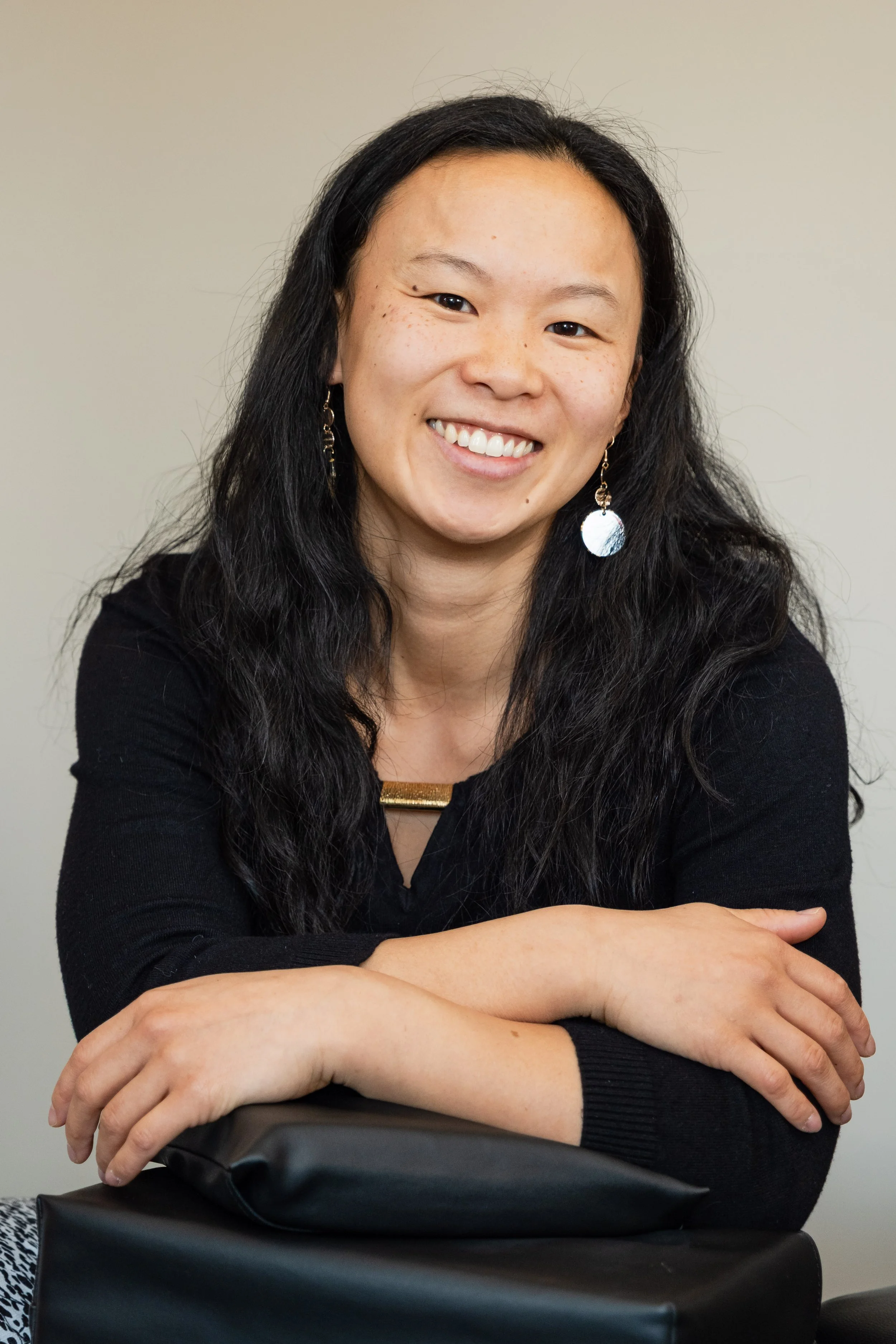
Meet Bailey!
Osteopathic Manual Practitioner
She helps people reconnect with their body using a gentle hands-on therapy. No cracking or yanking, just a soft and precise holistic approach that relies on accuracy instead of brute force.
As a former professional dancer and acrobat, Bailey brings a rare, embodied understanding of the body to her practice.
She's certified through Osteopathy Canada (OSTCAN) and studied at the Canadian Academy of Osteopathy, exceeding the demanding Primary Type 1 standards set by the WHO, including over 4,200 hours of education and 1,500 hours of supervised clinical training.
More about Bailey →
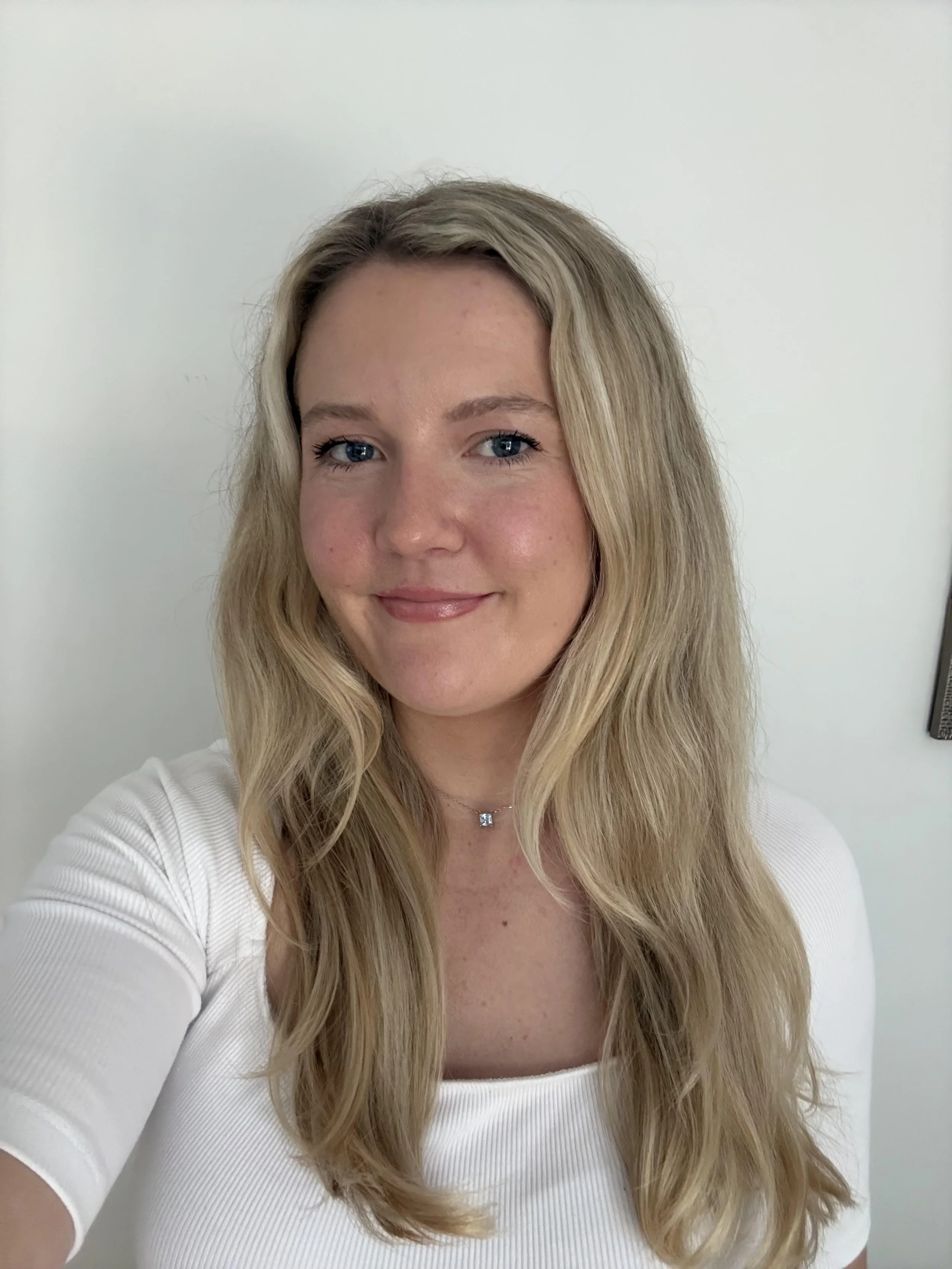
Meet Kianna!
Osteopathic Manual Practitioner
She helps people feel and move better through soft, personalized hands-on care, listening closely to each patient's story and creating a space where they feel heard and supported.
Former years as a Registered Massage Therapist gave Kianna more than just a strong foundation in anatomy and body mechanics, it also greatly deepened her sense of empathy, and made her want to help in a more lasting way.
She's a member of Osteopathy Canada (OSTCAN) and studied at the Canadian Academy of Osteopathy, exceeding the demanding Primary Type 1 standards set by the WHO, including over 4,200 hours of education and 1,500 hours of supervised clinical training.
More about Kianna →
How Osteopathy Creates
Long-Lasting Relief
Osteopathy treats your body as one complex, self-regulating system, where your bones, muscles, joints, fascia, nerves, circulation, and organs are all interconnected and constantly influencing one another.
Nothing ever exists in isolation.
Rather than merely chasing isolated symptoms—often that nagging pain and tension you feel—osteopathy seeks to uncover the root causes of your dysfunction and to restore balance within that whole system. So when relief does come, it's real and long-lasting, because it emerges naturally as a side effect of resolving the deeper issue that was hiding underneath the symptoms.
Since your body works as a collaborative unit, even just one precise shift at a deeper level can lead to a cascade of responses in the direction of improved health. This explains why patients often find themselves feeling better in more areas than the one they first sought help for.
We can help with a wide range of conditions:
Back, neck, and joint pain
Sciatica, herniated discs, and nerve pain
Sports and workplace injuries
Headaches, migraines, and jaw pain
Prenatal and postnatal care
Postural strain and repetitive stress
Digestive and circulatory issues
Stress-related tension and fatigue
General health and wellness
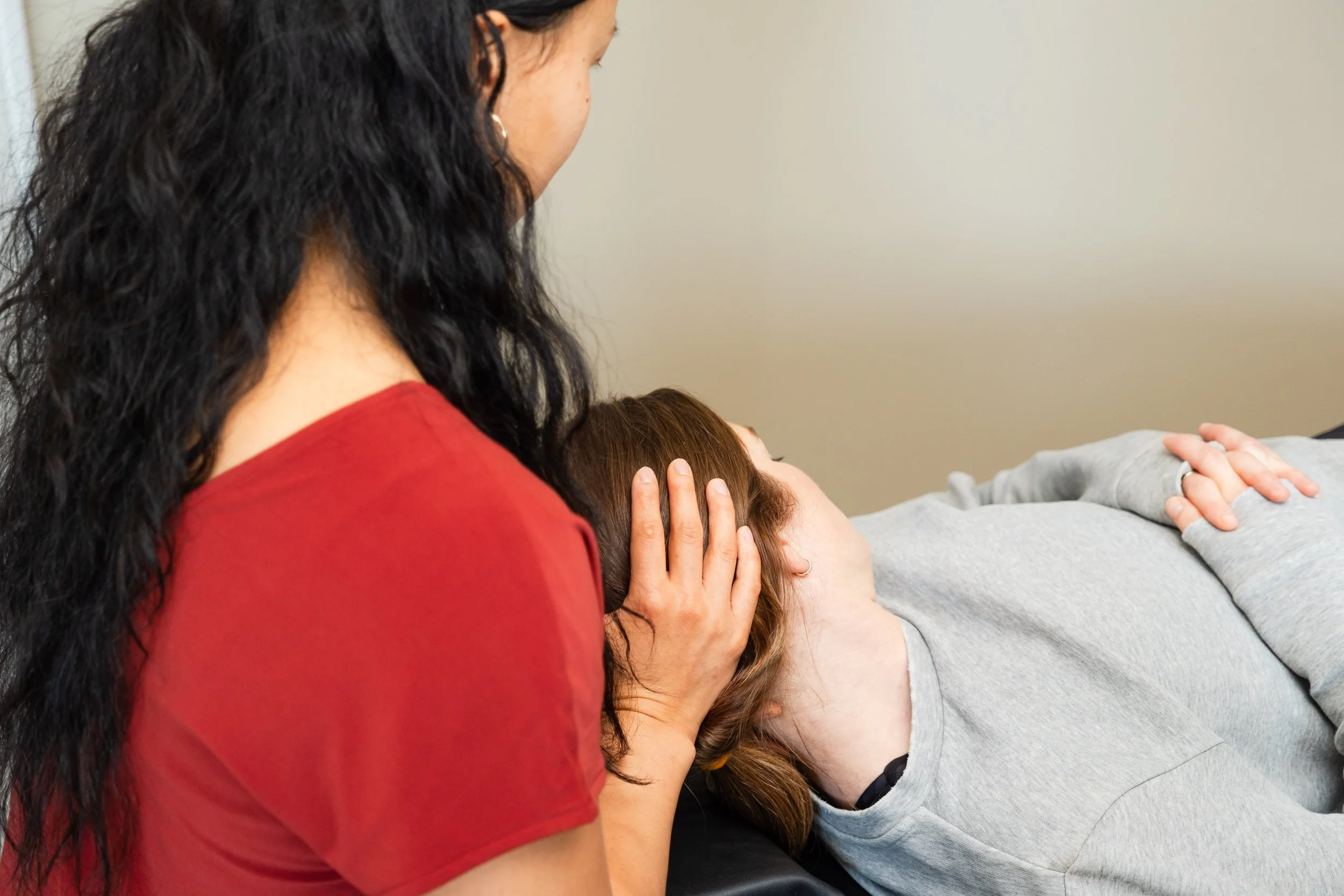
Our osteopathic manual practitioners treat patients entirely manually. They do not administer medications, or use machines, unlike many other machine-based, pharmaceutical-based, or exercise-based professions. This makes osteopathy particularly ideal for those seeking safe, natural, and holistic health options.
Frequently Asked Questions
-
Our receipts include everything your insurer needs for a smooth reimbursement claim.
Osteopathic Manual Therapy is claimable under many extended health plans, though coverage varies and some plans leave it out. Check your plan booklet or call your insurer before your first visit. Payment is due at your visit, and you submit the receipt yourself; most insurers reimburse online, often within a few days.
-
No. Osteopathic treatment isn't meant to keep you coming forever and ever. The goal of every treatment process is integration and stabilization: helping your body hold onto its progress on its own so that your expressions of health become more noticeable, not creating a dependency on regular visits.
The course of a treatment process varies case by case. Appropriate dosage of treatment and what happens between treatments (i.e. activity, rest, stress, change in routine) influence treatment results. Some people experience change as sudden and gradual, and for others it can be quick and obvious.
If you do not start seeing results within 5-7 treatments, we will re-evaluate your case and determine an appropriate course of action.
-
Osteopathy is ideal for those seeking safe, natural, and holistic health care. It is not to replace a medical doctor, and it is recommended to have a primary health care provider (i.e. family doctor, nurse practitioner) as part of your health care team. Part of osteopathic assessment is to scan for red flags that may indicate reason for a person to be unsafe to treat. In such cases, medical follow-up and/or referral out may be required until receiving clearance for osteopathic treatment. Your safety is a priority and will be discussed at the beginning of every treatment.
Children and teenagers are often highly responsive to treatment, as age, constitution and vitality are to their advantage. Seeking treatment early is supportive of a preventative health care approach.
Seniors benefit from osteopathic treatment, especially for health maintenance. It is also a gentle, holistic approach to work in combination with other health care providers.
If you are pregnant, it is typically advised to wait until after 1st trimester for osteopathic treatment.
If you’ve recently been in an accident, depending on the nature of the injury, it may be required to receive medical follow up and clearance for osteopathic treatment. This will be determined on a case by case situation. Osteopathy provides opportunity to support the body’s global healing capacity without necessarily treating the specifically injured tissues. It is also effective at addressing compensations acquired from the injury.
-
It is common to experience mild, temporary side effects, usually within 24-48 hours. This may include fatigue, headache, soreness, muscle or joint discomfort. In some cases, pain and sensation may increase as part of the healing process. After treatment, it is importing to avoid strenuous activity as the body needs time to adjust and integrate treatment. Rest is important, especially sleep. Side effects from treatment vary from person to person, and will be discussed with you specifically during your visit.
-
Sometimes, doing less lets the body do more. The nervous system is continuously receiving, filtering, and interpreting sensory input. Osteopathy works with the nervous system to recalibrate input and output, helping to restore accuracy to signalling and response. A gentle approach is appeasing to the nervous system, conducive to restoring health. As all systems in the body work as a collaborative network, a precise shift can lead to a cascade of responses in the direction of improved health.
-
No, prescribing exercises is not within the scope of practice for osteopathic manual practitioners. As osteopathy works to improve the coordination between the involuntary and voluntary nervous systems, as your body adjusts and integrates treatment, your movements in every day life will become more efficient. This will have an impact on overall energy, strength, and mobility.
In other words, simply coming in for treatments will make a difference on its own.
-
Our practitioners hold membership with Osteopathy Canada (OSTCAN), the highest standard of professional osteopathic certification in Canada, recognized by many extended health insurers.
Their education and training was completed through the Canadian Academy of Osteopathy, a rigorous program qualified as a Type 1 program as established by the World Health Organization benchmarks for osteopathy. The World Health Organization establishes benchmarks for international standards, in which Type 1 programs require 4,200 hours of training and 1,000 hours of supervised clinical practice, whereas Type 2 programs are modified programs of approximately only 1,000 hours. Their training exceeded the 4,200 hour requirement, along with over 1,500 hours of supervised clinical practice, rooted in principle-based learning and application of osteopathy.